

What to know about access problems for Chelsea rubbish collection
Posted on 10/10/2026
If you live or work in Chelsea, you already know the area has its own rhythm. Narrow streets, gated mews, basement flats, controlled parking, busy pavements, and the odd awkward stairwell can turn a simple rubbish removal into a bit of a puzzle. That is really the heart of What to know about access problems for Chelsea rubbish collection: how access affects collections, why it matters, and what you can do to make the job smoother, safer, and usually less stressful.
To be fair, most people do not think about access until the day they need something moved and suddenly the van cannot get close, the lift is tiny, or the refuse sacks are stacked exactly where the service entrance should be. We have all seen it happen. This guide breaks down the common access issues in Chelsea, how professional waste teams usually handle them, and the practical steps that help you avoid delays, extra handling, and unnecessary frustration.
Whether you are clearing a flat near the King's Road, dealing with a basement office off a side street, or arranging a one-off collection for renovation waste, you will find clear guidance here. And yes, we will keep it grounded in real-world Chelsea conditions rather than generic advice that sounds good but does not help much on a rainy Thursday morning.
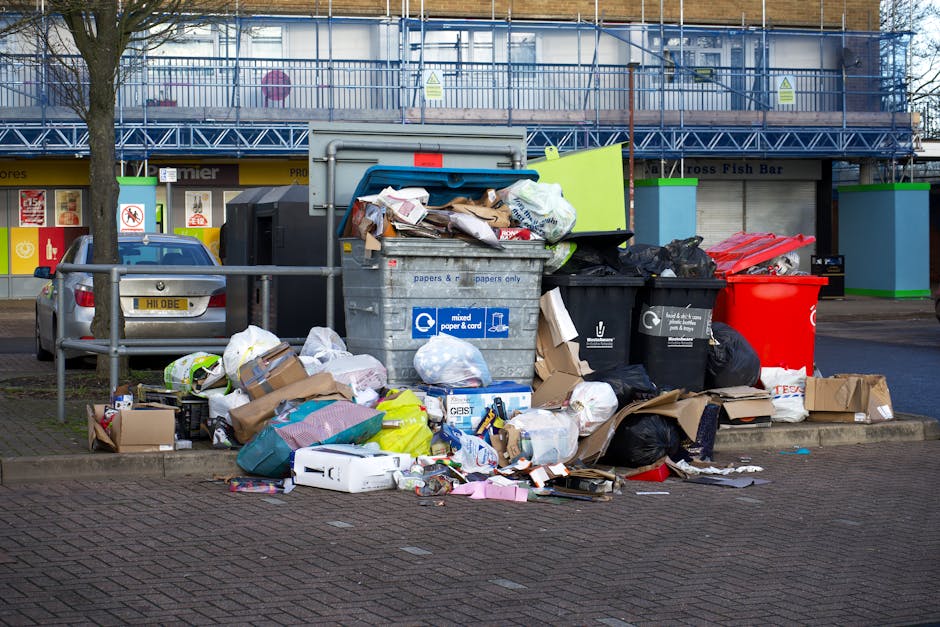
Why access problems matter in Chelsea
Access sounds like a boring operational detail until it becomes the thing that decides whether your collection goes smoothly or turns into a long, awkward afternoon. In Chelsea, access matters more than most places because the built environment can be tight, layered, and a bit unforgiving for large vehicles or bulky items.
Think about the typical local situation. A waste team may arrive to find a vehicle that cannot stop outside the property, a resident waiting at a concierge desk, a basement flat with a narrow staircase, or a load of bags tucked behind a locked gate. None of that is unusual. But each detail changes how the collection is done, how long it takes, and whether extra labour is needed.
Why does that matter to you? Because access problems can affect:
- the time it takes to remove waste
- the amount of manual carrying required
- the safety of the team and anyone nearby
- the risk of missed collections or rescheduling
- the total cost, especially if special handling is needed
There is also a trust angle here. If you explain access clearly before booking, a good provider can plan properly. That usually means fewer surprises on site. And let's face it, surprises are overrated when you are trying to clear a flat before builders arrive.
In Chelsea, access problems are not just an inconvenience. They are often the main practical factor behind whether a rubbish collection feels quick and tidy or clumsy and drawn out.
How rubbish collection access is usually handled
Most rubbish collection jobs start with a basic access check. It may be as simple as confirming whether a vehicle can park close enough, or as detailed as asking for photos of the entrance, staircase, loading point, or back route. For properties in Chelsea, that extra checking is often worth it.
In practice, collection teams usually think about access in a few layers:
1. Vehicle access
Can a van or lorry get close to the property? This includes road width, turning space, parking restrictions, low bridges, loading bay availability, and whether the street allows a stop long enough to load safely. In a place with controlled parking and busy roads, this is often the first issue.
2. Pedestrian access
Once the vehicle is parked, how easy is it to physically reach the waste? A straight path from the front door is one thing. A hallway, courtyard, lift, or coded gate is another. Even a few metres matter when you are moving several heavy items.
3. Internal access
This is where many Chelsea collections become more complicated. Basement flats, narrow staircases, shared lobbies, split-level properties, and old buildings with tight corners can make furniture disposal or clearance work slower than expected. Sometimes an item that looks manageable in a room is awkward once it reaches the stair landing. Annoying, yes. Common, also yes.
4. Time and permit constraints
Some collections are simple because you can park, load, and leave. Others need timing around resident-only bays, concierge rules, building management, lift booking slots, or noise-sensitive hours. In the real world, timing matters nearly as much as physical space.
When a provider asks questions about access, they are not being fussy. They are trying to reduce risk, keep the job on schedule, and avoid turning a straightforward removal into a logistical knot.
If you are planning a larger project, it can also help to look at related services such as the full services overview or a more specific option like waste clearance in Chelsea when the job involves a wider mix of items.
Key benefits of planning access properly
Good access planning is one of those things that pays off in small ways all day long. You may not notice it if everything goes well, which is a bit unfair really, but you will absolutely notice when it goes badly.
Here are the biggest benefits:
- Faster collections: less time spent carrying items long distances or waiting for access to be sorted.
- Lower chance of damage: fewer awkward corners, fewer dropped items, fewer scuffed walls or scratched floors.
- Better pricing accuracy: the team can quote more realistically when access is clear from the start.
- Less disruption: helpful if you share entrances, have neighbours nearby, or run a business from the property.
- Safer lifting: proper planning reduces the need for rushed manoeuvres on stairs or uneven routes.
There is another benefit that gets overlooked: peace of mind. If you have already explained the access issue, the day of the collection feels calmer. You are not standing at the doorway thinking, "Oh no, will this actually work?"
For busy homes and businesses, the practical payoff is simple. The better the access information, the smoother the whole experience tends to be. That is true whether you are arranging a one-off collection or a more regular rubbish removal schedule.
People often also compare service types when they are trying to solve access issues. In Chelsea, that might mean choosing between a targeted furniture disposal service and a broader house clearance in Chelsea if the route in and out is manageable but the volume is high.
Who this is for and when it makes sense
This advice is useful for a lot of people, not just anyone with a difficult staircase. Access problems can affect homeowners, tenants, landlords, estate managers, shop owners, office staff, contractors, and people dealing with inherited property or renovation waste.
You are especially likely to benefit from planning ahead if you are in one of these situations:
- you live in a basement or top-floor flat
- your property sits on a narrow residential street or mews
- parking outside is restricted or heavily controlled
- you need collection through a shared entrance or concierge desk
- you have large, heavy, or fragile items to move
- you are managing a clearance with builders, decorators, or movers on site
- you are working to a deadline and cannot afford delays
It also makes sense if you are handling waste from a more specialised job. For example, someone clearing a flat after refurbishment may need a route plan for plasterboard, broken fixtures, and old furniture. A business may need waste removed before opening hours or after staff leave. Different property types, different headaches.
Maybe the easiest way to think about it is this: if the route from the waste pile to the vehicle is not obvious, it is worth mentioning early. That one sentence can save everyone a bit of trouble.
Step-by-step guidance
If you want a collection to run smoothly in Chelsea, the best approach is to treat access as part of the booking, not as a last-minute detail. Here is a practical way to do that.
Step 1: Walk the route
Start at the waste and walk the exact route to the exit or loading point. Notice gates, codes, steps, lift access, corners, low ceilings, and anything that might slow things down. It sounds simple, but people often forget the awkward turn in the hallway until the day itself.
Step 2: Measure the obvious pinch points
You do not need engineering-level precision. Rough measurements of door widths, staircase width, lift size, and any tight bends are usually enough to help a team judge whether larger items will fit. A sofa that looked fine in the lounge can become a problem on a narrow stair landing. Happens all the time.
Step 3: Confirm vehicle access and parking
Check whether a van can stop nearby, where loading is allowed, and whether there are any time restrictions. If the best option is a short stop in a restricted bay, say so in advance. If there is a loading area round the back, mention that too.
Step 4: Share photos
Photos are often the quickest way to explain a tricky access point. A picture of the entrance, corridor, or waste pile can clarify far more than a paragraph of text. That said, a photo is not a replacement for basic details. The two work best together.
Step 5: Separate waste by type if possible
If you can group bulky items, bags, and loose rubbish before the collection day, you make life easier for everyone. It helps the team work out loading order and reduces the chance of items getting tangled or damaged during removal.
Step 6: Confirm timing
Try to match the collection time to building access rules, neighbour sensitivities, concierge availability, and parking windows. In Chelsea, timing is often what makes the difference between "easy enough" and "a bit of a mess".
Step 7: Ask about contingencies
What happens if the vehicle cannot park where expected? What if the lift is out of use? What if access is blocked for a short period by another contractor? A good provider should be able to talk through realistic alternatives. Not a grand plan, just a sensible backup.
If your job is linked to a renovation or construction project, you may find it helpful to consider builders waste disposal in Chelsea, especially where access and heavy material handling are both part of the same problem.
Expert tips for better results
After enough collections, you start to see the same small issues again and again. Nothing dramatic. Just the little things that make a service feel smooth instead of slightly chaotic.
Give the access story, not just the postcode
A postcode tells you where the property is. It does not tell you whether the waste is in a basement, behind a coded gate, or up three flights of stairs. The access story is what matters.
Be honest about awkward routes
If the route involves carrying items through a shared hallway or across a courtyard, say so. Hiding the problem never helps. It usually just adds pressure on the day.
Keep the loading path clear
On collection day, move bikes, prams, deliveries, and other clutter out of the way. A clear route might sound obvious, but in a busy Chelsea block it can make all the difference.
Use building management early
If you need lift booking, access codes, or permission to stop in a particular bay, arrange that before the collection day. Waiting until the van arrives is a great way to make everyone's shoulders tighten. Not ideal.
Expect a small amount of flexibility
Sometimes the best access route is not the one you first imagined. A side gate may work better than the front door. A second helper may make a steep staircase manageable. Good teams adapt, but they need the chance to adapt.
One practical habit that helps a lot: take a phone photo of the access point and the waste together the day before. It sounds almost too simple. Yet it often catches the one thing you forgot to mention.
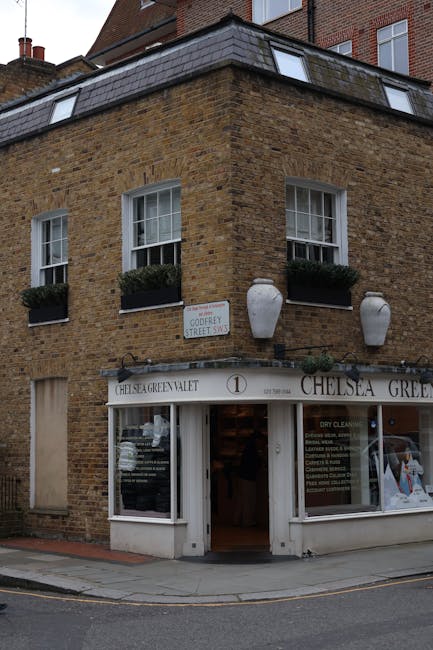
Common mistakes to avoid
There are a few mistakes that repeatedly cause trouble with Chelsea rubbish collection. Most are easy to avoid once you know what to look for.
- Assuming access is fine because the property is small: small does not always mean simple. Basement stairs can be the real problem.
- Forgetting about parking restrictions: even perfect loading access is no use if the vehicle cannot legally stop nearby.
- Leaving waste in a locked or shared space without giving access: a key or code needs to be arranged in advance.
- Not mentioning bulky or awkward items: wardrobes, sofas, old desks, and white goods all behave differently when moved.
- Waiting until the collection day to mention the lift is out: this is the sort of news that should travel faster than a London bus timetable. Frankly.
- Underestimating loading time: long carry distances and stairs take longer than people think.
Another common issue is assuming that one route works for everything. It might work for a bag collection, but not for a bulky furniture job. It might work for one person, but not for a two-person lift. Access needs change with the load.
The simple fix is to over-communicate a little. Not dramatically. Just enough to remove guesswork.
Tools, resources and recommendations
You do not need specialist equipment for every rubbish collection, but a few practical tools and habits can help a great deal.
- Photos or short videos: useful for showing entrances, staircases, and the amount of waste.
- Basic tape measure: helpful for checking door widths, lifts, and awkward corners.
- Clear labels or notes: handy if some items are staying and others are going.
- Access codes and contact names: keep them ready for building managers, porters, or concierge staff.
- Parking awareness: know the nearest legal stopping point before collection day.
On the service side, a few pages can also help you understand the wider process. For pricing and practical booking details, see pricing and quotes. If you want reassurance about safe handling, the page on insurance and safety is also worth a look. And if your waste plan is part of a longer-term tidy-up, the guide on recycling and sustainability may help you think through what happens after collection.
For some readers, the decision is about the type of job, not just the access. A smaller household job may fit a quick rubbish collection. A whole-property clearance might need a different approach altogether. If that sounds like you, it is worth reading the company information on about us as well, so you can get a feel for how the service is set up and what kind of support to expect.
Law, compliance, standards and best practice
When access is awkward, the legal and safety side becomes more important, not less. Even if the job feels routine, waste still needs to be handled responsibly and the collection should not create avoidable hazards.
In the UK, rubbish removal work is generally expected to follow normal waste handling duties, safe lifting practices, and sensible site management. That means waste should be loaded responsibly, hazards should be assessed, and access should not put workers, residents, or passers-by at unnecessary risk. In a place like Chelsea, where pedestrians, neighbours, and vehicle movement often sit very close together, this is not theoretical. It is everyday reality.
Good practice usually includes:
- making sure the route is safe and reasonably clear
- avoiding blocked exits and trip hazards
- using the right number of people for heavy or awkward items
- checking parking or loading restrictions before arrival
- protecting communal areas where possible
- communicating access limitations clearly in advance
If your building has its own management rules, those matter too. Many blocks, estates, and commercial buildings have access procedures that are stricter than the street outside. That may include service entrances, lift booking, noise windows, or restrictions on trolleys and loading times.
The safest assumption is simple: if access is uncertain, raise it early. That protects both the collection team and your property. And in a real sense, that is what professional service should do anyway.
Options, methods and comparison table
When access is difficult, there is rarely one perfect method. The right approach depends on the property layout, the volume of waste, and whether the job is a single pickup or part of a larger clearance.
| Method | Best for | Strengths | Limitations |
|---|---|---|---|
| Kerbside loading | Properties with close parking or loading access | Fast, straightforward, usually efficient | Not suitable where parking is restricted or walking distance is long |
| Front-door collection | Homes and flats with easy internal access | Simple for smaller jobs, minimal handling | Can be awkward if there are stairs, narrow corridors, or shared entries |
| Internal carry-out | Basements, upper floors, and larger clearances | Flexible when waste is deep inside the property | Needs more time, more labour, and careful planning |
| Timed access with building management | Blocks, offices, and managed properties | Helps coordinate lifts, codes, and loading windows | Depends on others being available and organised |
| Staged collection | Large clearances or awkward layouts | Breaks a difficult job into manageable parts | May take longer overall, though often smoother |
If your collection includes a lot of bulky household items, it may be worth comparing a specific furniture route against a broader clearance. If you are clearing an entire flat or multi-room property, a service such as loft clearance in Chelsea can also be relevant where the waste is tucked away above stairs or in a tight upper-level space.
Case study or real-world example
Here is a realistic example from the kind of job that comes up a lot in Chelsea.
A resident in a basement flat near a busy road needed old furniture and mixed household waste removed before new flooring was fitted. The property had a narrow front path, a short but steep stairwell, and no easy parking directly outside. On paper, the job sounded simple enough. In practice, it needed a bit of planning.
The resident sent a couple of photos of the staircase, the front gate, and the items to be removed. That immediately showed two likely issues: the sofa would need careful handling on the turn of the stairs, and a van would probably need to stop a short distance away rather than right outside. Because the access details were shared early, the collection team could plan the right crew size and allow extra time for carrying.
The actual collection was still busy, but it felt orderly. The team used the clearest route, protected the hallway corners, and loaded the waste in the right sequence. No drama, no frantic reshuffling, no last-minute guessing.
That is the point, really. Access planning does not have to be elaborate. It just has to be honest and specific.
If you are dealing with a similar situation and need a timely pickup, the page for same-day rubbish collection in Sloane Square may also give you a feel for how time-sensitive local collections are often approached.
Practical checklist
Use this before you book or confirm a Chelsea rubbish collection where access may be tricky.
- Confirm the exact property address and entrance used for collection.
- Check whether the vehicle can legally stop or park nearby.
- Measure narrow doors, hallways, stair turns, and lift size if relevant.
- Tell the provider about basements, upper floors, courtyards, or rear access.
- Share photos of the waste and the route if anything looks awkward.
- Arrange keys, codes, concierge contact details, or building permission in advance.
- Clear a path through shared spaces and remove trip hazards.
- Group items together so they are easy to identify and load.
- Explain any timing restrictions, such as resident-only parking or quiet hours.
- Ask how the team wants to handle unexpected access problems on the day.
A quick checklist like this takes five minutes, maybe ten if you are hunting for the right code on a message thread. But it can save far more time later.
Conclusion
Access problems for Chelsea rubbish collection are rarely dramatic on their own, but they shape almost everything else: timing, pricing, safety, and how smoothly the day actually goes. The good news is that most issues can be handled well if you describe them clearly before the collection starts.
In a neighbourhood like Chelsea, where properties and streets can be elegant but awkward in the same breath, the smartest move is to plan for the route as carefully as you plan for the waste itself. Check the stairs, the parking, the gates, the lift, the turn in the hallway. Small details, big difference.
If you are still unsure, do not worry. That uncertainty is common, and it is exactly why early communication matters. A little preparation now usually means a far calmer day later, and honestly, that is worth a lot.
Get a free quote today and see how much you can save.
And if you have made it this far, you are already ahead of the game. The hard part is usually just noticing the access issue before it notices you.


 Tipper Van - Rubbish Removal and Waste Clearance Prices in Chelsea, SW3
 Luton Van - Rubbish Removal and Waste Clearance Prices in Chelsea, SW3

